Tree Removal – How Much Does It Cost?
July 22, 2026
As the saying goes, how long is a piece of string?
It’s difficult to give an exact price for tree removal because every tree and situation is unique. However, understanding the factors that influence the cost can help you see why prices vary so much.
What Affects the Cost of Tree Removal?
The two biggest factors that determine the cost of removing a tree are:
- Location – Is the tree in an open space with easy access, or is it close to buildings, fences, or utility lines? Limited access and potential risks can make the job more complex.
- Size – The height, width, and overall volume of the tree will impact how much material needs to be processed and removed.
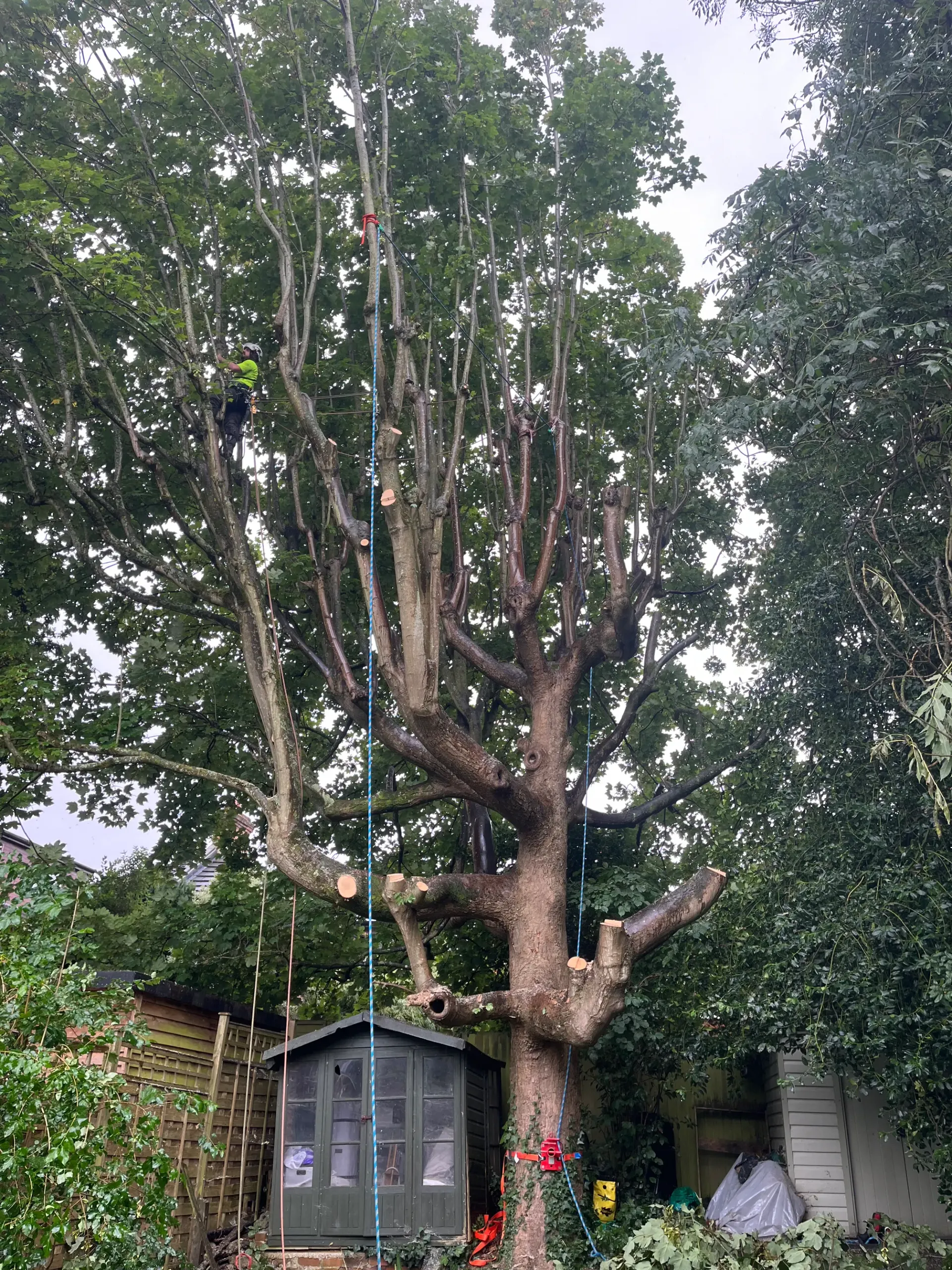
A complex tree removal with many obstacles to avoid damaging
Other Factors That Can Influence Cost:
- Access – Can equipment and vehicles reach the site easily, or will everything need to be carried out by hand?
- Specialist Equipment – Some jobs may require cranes, cherry pickers (MEWPs), or advanced rigging systems, all of which add cost.
- Manpower – More difficult jobs may require additional staff to ensure the work is done safely and efficiently.
- Waste Removal – Do you want to keep the wood, or will it need to be removed from the site? Disposing of large amounts of material adds time and cost.
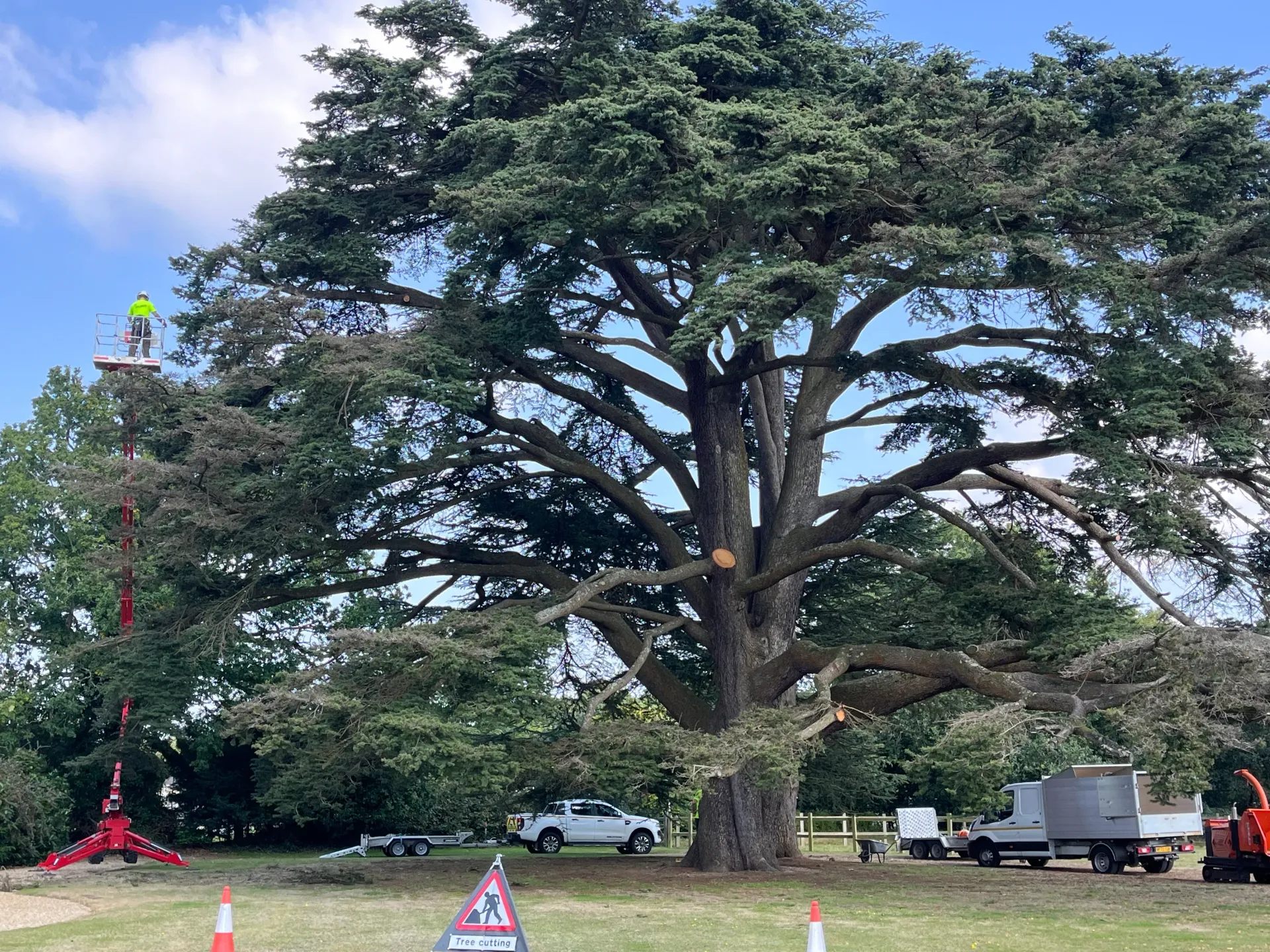
Large Cedar tree having deadwood removed with help of a MEWP (cherry picker)
Why Can't You Get an Exact Price Straight Away?
- Every tree is different, and every job has unique challenges.
- A simple tree removal in an open space will cost far less than a complex removal next to buildings or power lines.
- The best way to get an accurate price is to have the tree assessed in person. In some cases, rough estimates can be made using maps or photos, but an on-site visit is always recommended.
Choosing the Right Tree Surgeon
- Always make sure the company has appropriate insurance and qualifications.
- Get multiple quotes to ensure fair pricing.
- Be cautious of cheap quotes that seem too good to be true – they may lead to poor-quality work or even safety risks.
- Likewise, be wary of overinflated quotes – a reputable company will explain their pricing clearly.
If you were hoping for a simple price list, I’m sorry to disappoint! But hopefully, you now understand why tree removal costs vary so much. The best way to get a fair and accurate quote is to have a professional assess your tree in person.

Planning tree work in Hampshire? Find out how to check for a TPO or conservation area, what permission you need, and how we can handle it for you.
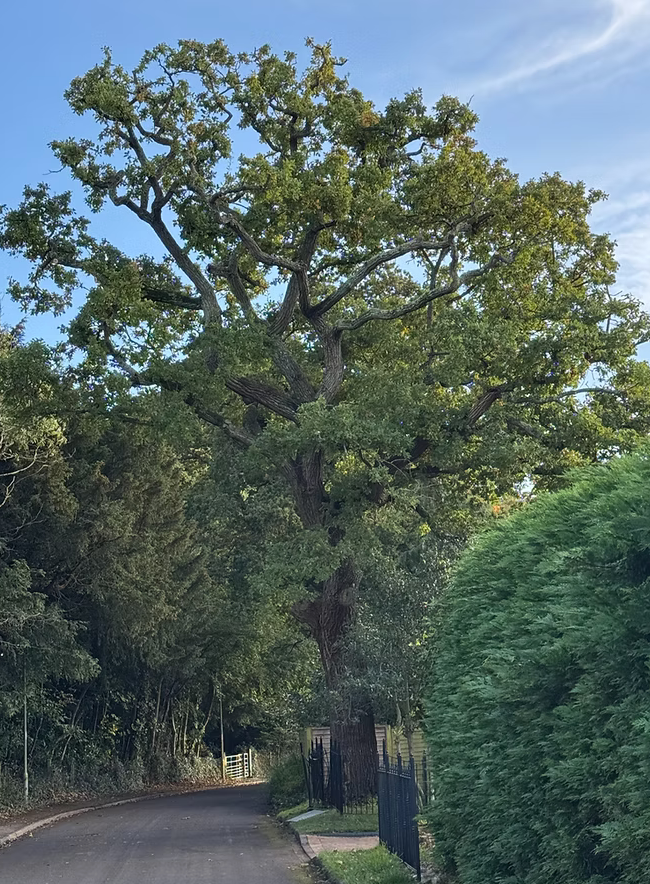
Pruning isn’t just about cutting branches; it’s about making intentional choices that impact a tree’s health, safety, aesthetics, and even the surrounding environment. While good pruning practices can enhance a tree’s health and longevity, poor pruning can cause serious harm. However, what we often overlook is that poor pruning can unintentionally benefit wildlife, creating a complex trade-off between the needs of the environment and human priorities. The Benefits of Good Pruning Good pruning is essential for a tree’s health and safety. It removes dead, diseased, or weak branches, reducing the risk of breakage and promoting strong, healthy growth. Proper cuts respect the tree’s natural shape, maintaining its aesthetic appeal while reducing stress. By removing only a small percentage of live foliage at a time, good pruning ensures the tree retains its ability to produce energy through photosynthesis. Leaves, often referred to as the tree’s "solar panels," play a critical role in this process by capturing sunlight and using it to produce energy through photosynthesis. This energy fuels the tree's vital functions, from growth and repair to defense against pests and diseases. They capture sunlight and convert it into energy that fuels the tree’s growth, repair, and defense. Proper pruning ensures the tree maintains enough "solar panels" to sustain its energy needs. Proper pruning also prevents structural issues, allowing the tree to withstand storms and other environmental stressors. Cuts are made just outside the branch collar, enabling the tree to heal efficiently and minimizing its exposure to pests and decay. Overall, good pruning keeps trees safe, beautiful, and thriving.
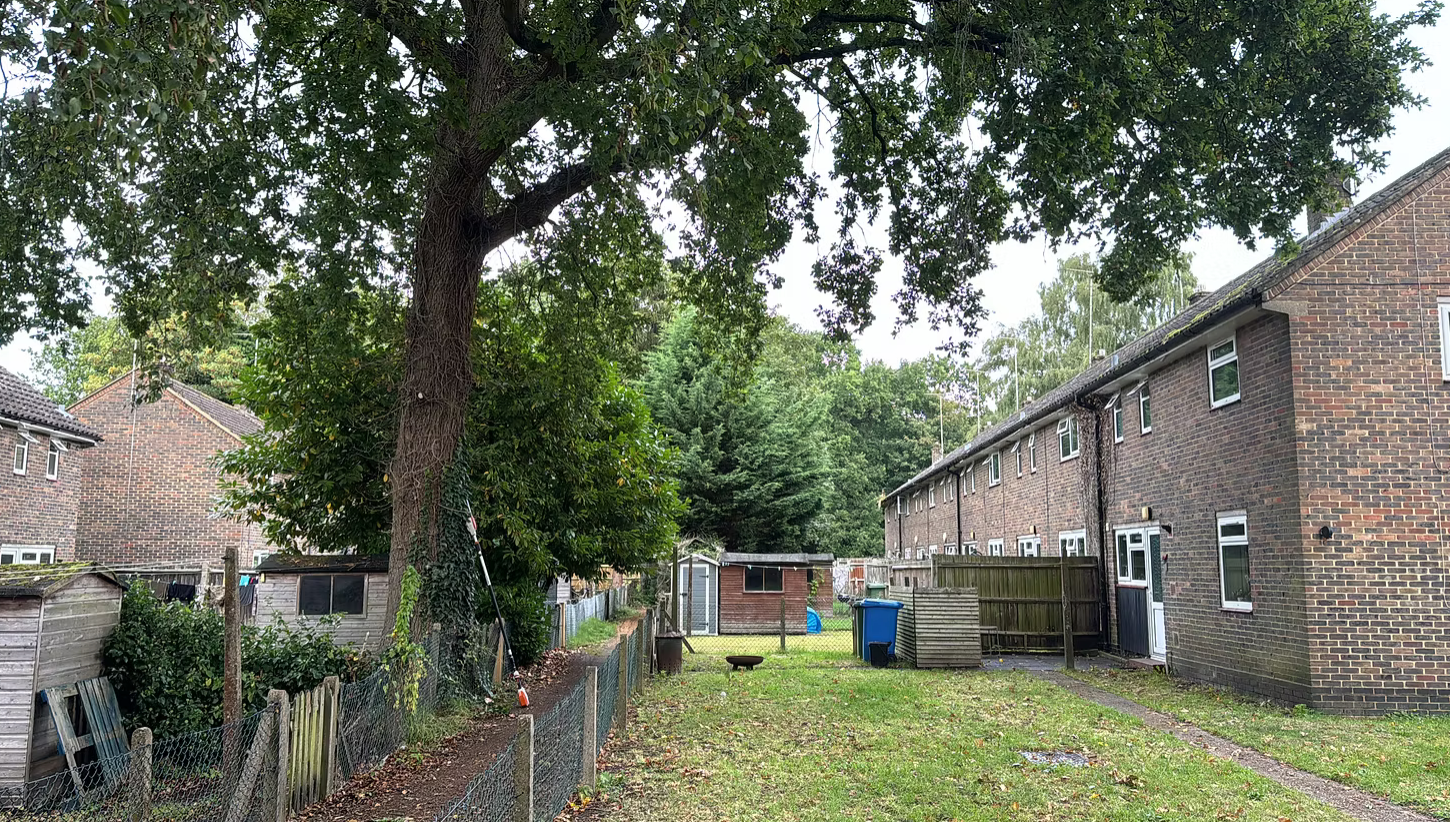
If you have a tree from a neighbouring property overhanging your land, you may be wondering what your rights are when it comes to pruning it. Tree-related disputes are common, and understanding the legal and practical aspects can help you avoid conflicts while ensuring your property is properly maintained. In this blog post, we’ll cover ownership rights, consent, and planning applications related to pruning your neighbour’s tree. Understanding Ownership and Your Rights In the UK, trees are owned by the person on whose land they are rooted. However, if a tree’s branches overhang your property, you have a legal right to trim them back to the boundary line. This is known as the ‘right to abate a nuisance.’ While this means you can cut overhanging branches, you must not trespass onto your neighbour’s land or damage the tree in a way that could make it unsafe. Seeking Consent from Your Neighbour Even though you have the legal right to prune overhanging branches, it is always best to discuss the issue with your neighbour before taking any action. Open communication can prevent disputes and maintain good relations. In some cases, your neighbour may prefer to handle the pruning themselves or may have specific concerns about the tree’s health. What to Do with the Cuttings? Any branches, leaves, or fruit you remove technically belong to the tree owner. This means you should offer the cuttings back to your neighbour, although they are not obligated to accept them. You must not dispose of them on their land without permission, as this could be considered fly-tipping. Planning Applications and Tree Preservation Orders (TPOs) Before pruning a tree, you should check whether it is protected by a Tree Preservation Order (TPO) or if it is located in a Conservation Area. If a tree is covered by a TPO, you must obtain permission from the local council before carrying out any pruning, even if the branches extend onto your land. The same applies if you live in a Conservation Area, where trees are generally protected by law. Failing to get the necessary permissions can lead to fines and legal issues. If you are unsure about a tree’s protection status, you can check with your local planning authority. What If the Tree is Causing Damage? If a tree from a neighbouring property is causing damage to your home, driveway, or other structures, you should first inform your neighbour and try to reach an agreement. If they refuse to take action and the damage persists, you may need to seek legal advice or involve your local council. Summary While you do have the right to prune branches that overhang your property, it is always best to approach the situation with care. Consulting your neighbour, checking for legal protections, and ensuring responsible disposal of cuttings can help avoid unnecessary disputes. If you are unsure about the best way to proceed, consider seeking professional advice from a qualified arborist or legal expert. By understanding your rights and responsibilities, you can ensure that any tree pruning is done legally, safely, and in a way that maintains good relationships with your neighbours.