BLOG
Expert Advice & Tree Care Insights
Stay up to date with practical tree care advice, industry news and professional guidance from the qualified arborists at Arb-Solute Tree Management.

Planning tree work in Hampshire? Find out how to check for a TPO or conservation area, what permission you need, and how we can handle it for you.
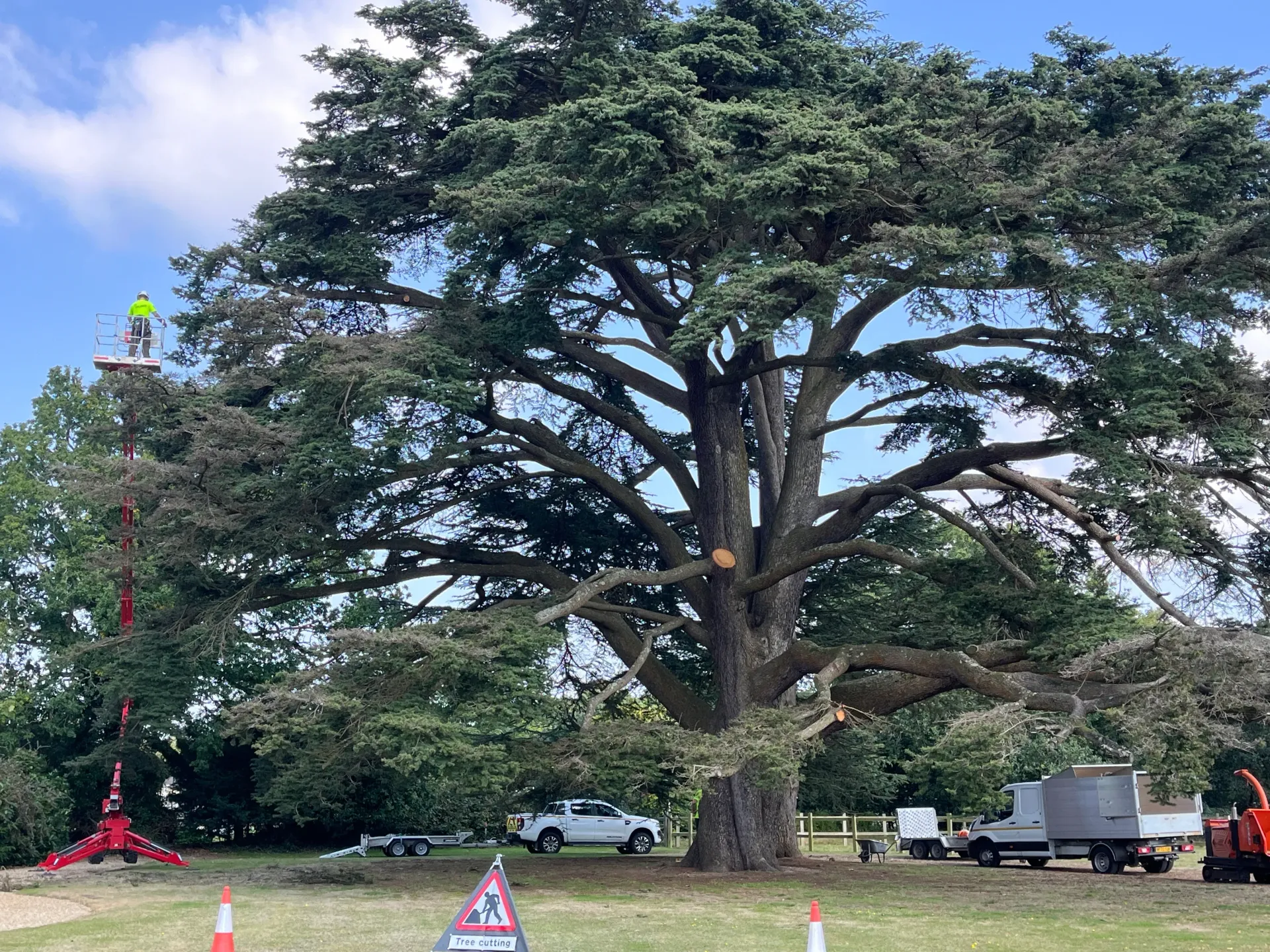
As the saying goes, how long is a piece of string? It’s difficult to give an exact price for tree removal because every tree and situation is unique. However, understanding the factors that influence the cost can help you see why prices vary so much. What Affects the Cost of Tree Removal? The two biggest factors that determine the cost of removing a tree are: Location – Is the tree in an open space with easy access, or is it close to buildings, fences, or utility lines? Limited access and potential risks can make the job more complex. Size – The height, width, and overall volume of the tree will impact how much material needs to be processed and removed.
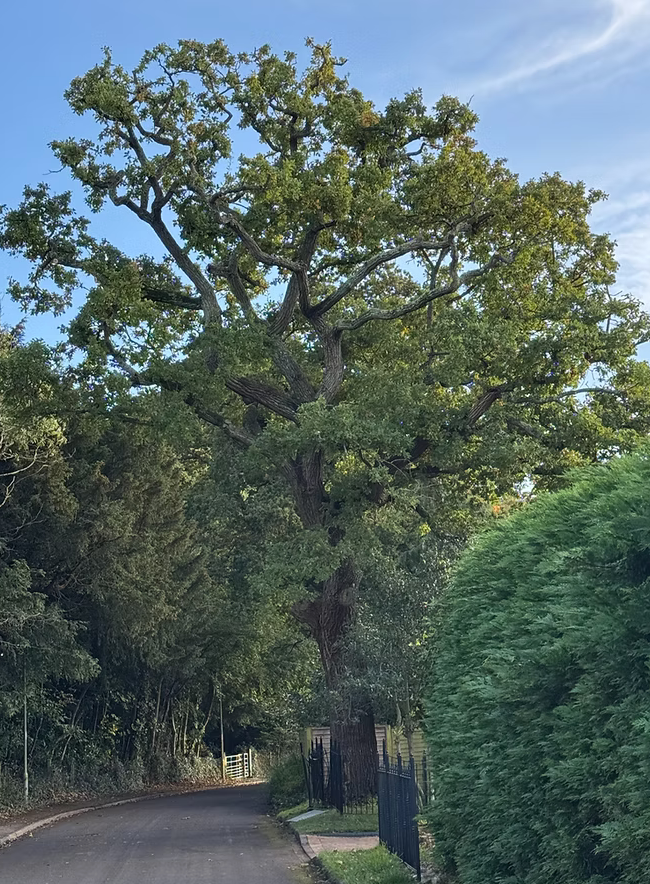
Pruning isn’t just about cutting branches; it’s about making intentional choices that impact a tree’s health, safety, aesthetics, and even the surrounding environment. While good pruning practices can enhance a tree’s health and longevity, poor pruning can cause serious harm. However, what we often overlook is that poor pruning can unintentionally benefit wildlife, creating a complex trade-off between the needs of the environment and human priorities. The Benefits of Good Pruning Good pruning is essential for a tree’s health and safety. It removes dead, diseased, or weak branches, reducing the risk of breakage and promoting strong, healthy growth. Proper cuts respect the tree’s natural shape, maintaining its aesthetic appeal while reducing stress. By removing only a small percentage of live foliage at a time, good pruning ensures the tree retains its ability to produce energy through photosynthesis. Leaves, often referred to as the tree’s "solar panels," play a critical role in this process by capturing sunlight and using it to produce energy through photosynthesis. This energy fuels the tree's vital functions, from growth and repair to defense against pests and diseases. They capture sunlight and convert it into energy that fuels the tree’s growth, repair, and defense. Proper pruning ensures the tree maintains enough "solar panels" to sustain its energy needs. Proper pruning also prevents structural issues, allowing the tree to withstand storms and other environmental stressors. Cuts are made just outside the branch collar, enabling the tree to heal efficiently and minimizing its exposure to pests and decay. Overall, good pruning keeps trees safe, beautiful, and thriving.
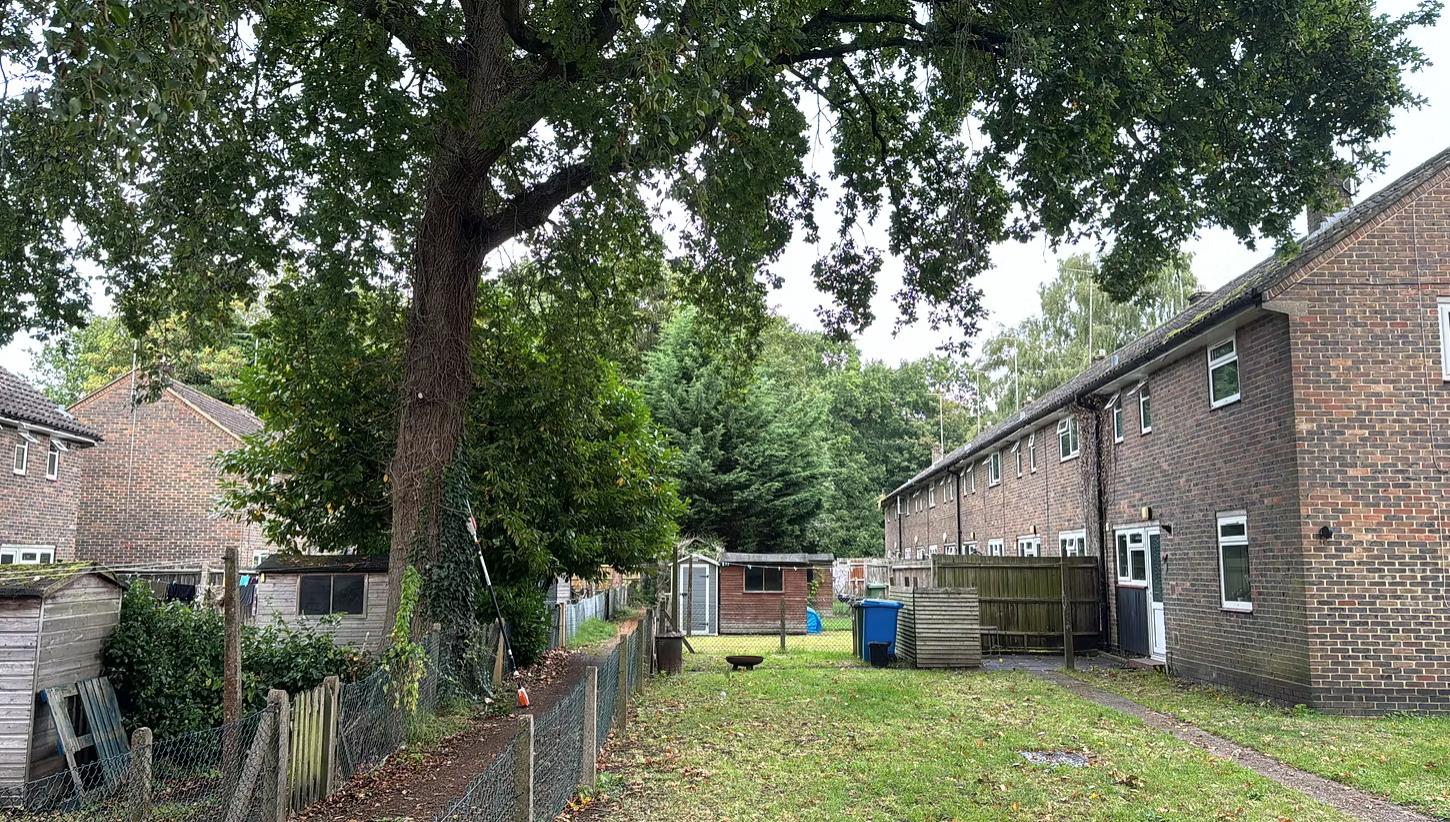
If you have a tree from a neighbouring property overhanging your land, you may be wondering what your rights are when it comes to pruning it. Tree-related disputes are common, and understanding the legal and practical aspects can help you avoid conflicts while ensuring your property is properly maintained. In this blog post, we’ll cover ownership rights, consent, and planning applications related to pruning your neighbour’s tree. Understanding Ownership and Your Rights In the UK, trees are owned by the person on whose land they are rooted. However, if a tree’s branches overhang your property, you have a legal right to trim them back to the boundary line. This is known as the ‘right to abate a nuisance.’ While this means you can cut overhanging branches, you must not trespass onto your neighbour’s land or damage the tree in a way that could make it unsafe. Seeking Consent from Your Neighbour Even though you have the legal right to prune overhanging branches, it is always best to discuss the issue with your neighbour before taking any action. Open communication can prevent disputes and maintain good relations. In some cases, your neighbour may prefer to handle the pruning themselves or may have specific concerns about the tree’s health. What to Do with the Cuttings? Any branches, leaves, or fruit you remove technically belong to the tree owner. This means you should offer the cuttings back to your neighbour, although they are not obligated to accept them. You must not dispose of them on their land without permission, as this could be considered fly-tipping. Planning Applications and Tree Preservation Orders (TPOs) Before pruning a tree, you should check whether it is protected by a Tree Preservation Order (TPO) or if it is located in a Conservation Area. If a tree is covered by a TPO, you must obtain permission from the local council before carrying out any pruning, even if the branches extend onto your land. The same applies if you live in a Conservation Area, where trees are generally protected by law. Failing to get the necessary permissions can lead to fines and legal issues. If you are unsure about a tree’s protection status, you can check with your local planning authority. What If the Tree is Causing Damage? If a tree from a neighbouring property is causing damage to your home, driveway, or other structures, you should first inform your neighbour and try to reach an agreement. If they refuse to take action and the damage persists, you may need to seek legal advice or involve your local council. Summary While you do have the right to prune branches that overhang your property, it is always best to approach the situation with care. Consulting your neighbour, checking for legal protections, and ensuring responsible disposal of cuttings can help avoid unnecessary disputes. If you are unsure about the best way to proceed, consider seeking professional advice from a qualified arborist or legal expert. By understanding your rights and responsibilities, you can ensure that any tree pruning is done legally, safely, and in a way that maintains good relationships with your neighbours.
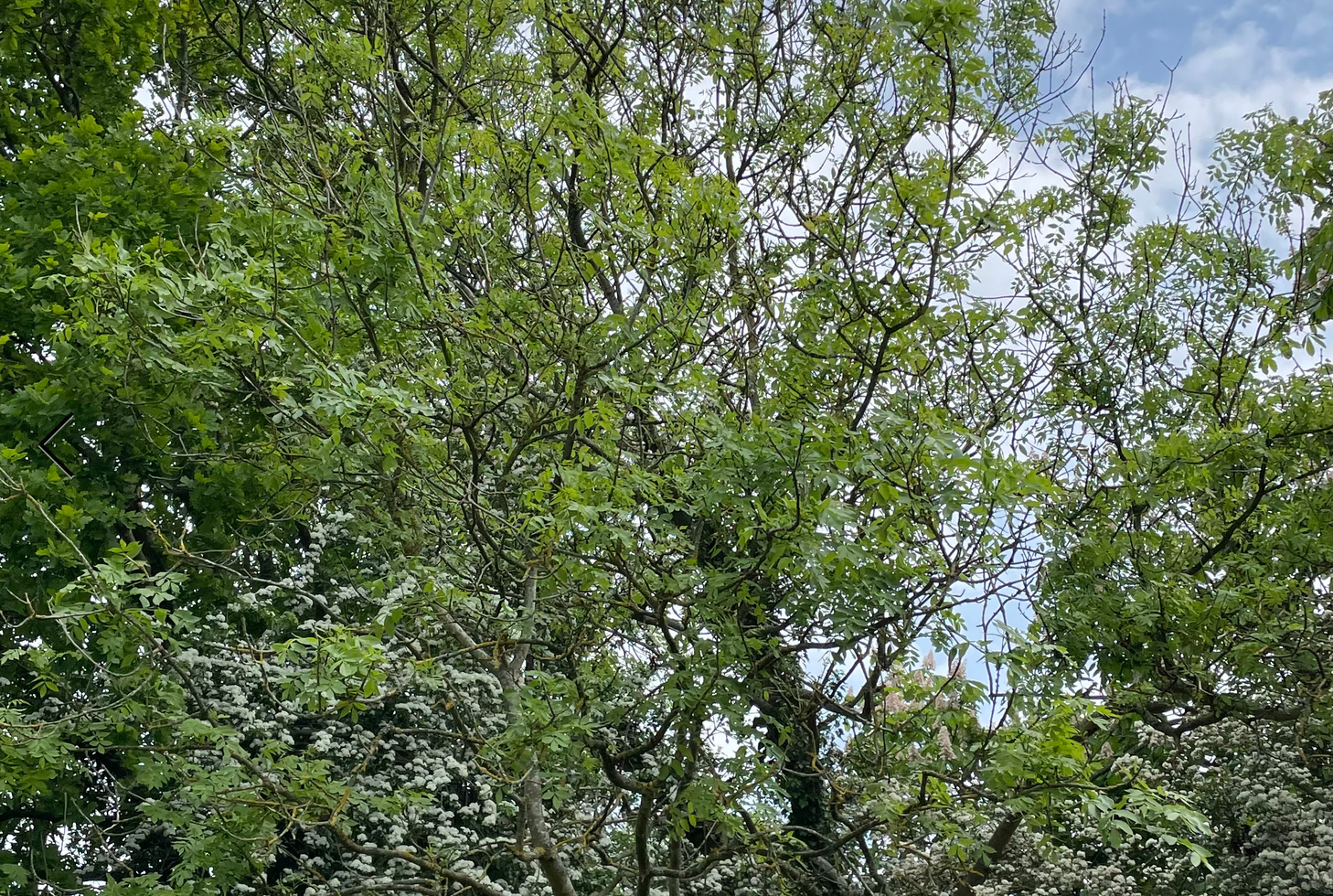
In recent years, you may have heard about a concerning issue affecting ash trees in the United Kingdom called "ash dieback." While it's true that this fungal disease has caused significant damage, it's important to note that not all ash trees are affected, and the situation is not as dire as it may seem. In this blog post, we will explore ash dieback, its impact, and the signs to look out for to identify this disease. What is Ash Dieback? Ash dieback, scientifically known as Hymenoscyphus fraxineus, is a fungal disease that primarily affects ash trees (Fraxinus spp.). The disease spreads through spores and can weaken and kill the trees over time. Ash dieback originated in Asia, but unfortunately, it made its way to the United Kingdom around a decade ago. Extent of the Problem: While it is true that ash dieback has affected a significant number of ash trees across the country, it's important to understand that not all ash trees are doomed. The impact varies depending on factors such as tree age, genetics, and environmental conditions. Some ash trees have shown resilience and natural resistance to the disease, highlighting the importance of genetic diversity in combating this issue. Recognizing Signs of Ash Dieback: If you have ash trees in your vicinity, it is essential to keep an eye out for signs of ash dieback. Here are a few indicators to look for: 1. Leaf Symptoms: Infected ash trees often exhibit distinct leaf symptoms. These include blackening of the leaf tips, brown patches on the leaves, and wilting or curling of the leaves. 2. Crown Thinning: Ash dieback can cause significant crown thinning, where the upper canopy becomes sparse as the disease progresses. This thinning can be observed from a distance, with patches of dead branches and reduced foliage density. 3. Bark Lesions: Affected trees may display lesions on the bark, which are usually diamond-shaped and can ooze a black substance. 4. Dieback of Branches: Infected ash trees experience branch dieback, where branches start to wither and die from the tips inward. 5. Epicormic Growth: In response to the stress caused by the disease, some ash trees may produce shoots or branches lower down on the trunk or from the base of the tree. This is known as epicormic growth and can be a sign of underlying infection. While ash dieback is a concern for the United Kingdom's ash tree population, it's important to maintain a balanced perspective. Not all ash trees will succumb to this disease, and some show resilience against it. By keeping an eye out for signs like leaf symptoms, crown thinning, bark lesions, branch dieback, and epicormic growth, we can identify affected trees early on and take appropriate measures. As professional arborists, our goal is to protect and preserve our trees, working towards sustainable and diverse woodland ecosystems for generations to come.
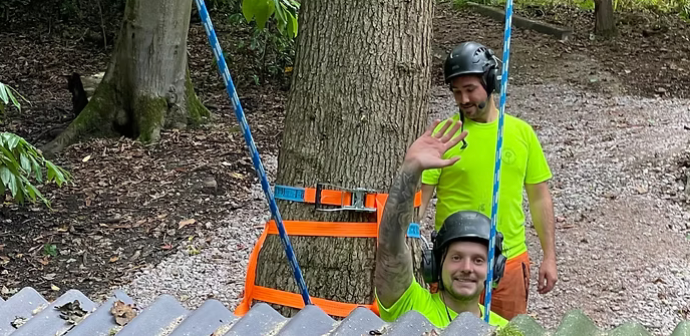
If you’ve found yourself typing “tree surgeon near me” into Google, you’re probably looking for someone who can help manage, maintain, or remove a tree on your property. But finding the right tree surgeon isn’t just about choosing the closest company—it’s about choosing the safest, most professional, and most reliable team for the job. Whether you need a tree pruned, assessed, or completely removed, here’s what you should look for in a high-quality tree surgeon—and why Arb-solute Tree Management is a trusted name in the Hampshire area. Key Qualities of a Good Tree Surgeon Safety First Tree work is dangerous, even at the best of times. That’s why safety should always be the top priority. A good tree surgeon will carry out a thorough risk assessment, use the correct safety gear, and ensure the work is carried out without risk to you, your property, or the public. At Arb-solute, every member of our team is fully trained in safe work practices, and we’re equipped to handle jobs in even the most complex environments. Insurance and Accreditation A reputable tree surgery company should be fully insured for both public liability and employee safety. They should also have clear qualifications and industry-recognised accreditations. At Arb-solute Tree Management, we’re proud to be Arboricultural Association Approved Contractors—the gold standard in UK tree care. This means we meet the highest standards for professionalism, training, safety, and customer care. Ongoing Training and Knowledge Trees are living things, and caring for them properly requires more than just cutting branches. A professional tree surgeon should have a solid understanding of tree health, soil science, and long-term tree care. Our team undergoes regular training and certification, ensuring we're up to date on best practices for everything from pruning techniques to disease diagnosis and environmental compliance. The Right Equipment for the Job Modern tree work often requires specialist machinery to complete the job safely and efficiently. At Arb-solute, we invest in a wide range of professional equipment—including our own MEWP (cherry picker)—which allows us to work at height with greater safety and precision. Whether we’re carrying out a sectional dismantle, stump grinding, or clearing storm-damaged trees, we come prepared with the right tools every time. Why Choosing the Right Tree Surgeon Matters Hiring someone without the proper training, insurance, or equipment could put you at risk—not to mention cause damage to your property, or worse. A well-qualified tree surgeon will not only deliver excellent results but also protect your investment and ensure that the work is compliant with local regulations. Why Choose Arb-solute Tree Management? At Arb-solute Tree Management, we go beyond the basics. We’re committed to delivering safe, professional, and friendly service across every job. From the moment you get in touch to the final clear-up, we make the process as easy and stress-free as possible. We always leave your property clean, tidy, and safe, and we’re happy to offer advice on how to keep your trees healthy and looking their best. Whether you're dealing with a dangerous tree, planning a garden revamp, or just need routine maintenance, we're the tree surgeons near you who genuinely care.